Tuesday, November 19, 2019

The Cost of Renting vs. Buying a Home [INFOGRAPHIC]

The Cost of Renting vs. Buying a Home [INFOGRAPHIC] | MyKCM

Some Highlights:

  • Historically, the choice between renting and buying a home has been a tough decision.
  • Looking at the percentage of income needed to rent a median-priced home today (27.7%) vs. the percentage needed to buy a median-priced home (17.5%), the choice is clear.
  • Every market is different. Before you renew your lease, find out if you can put your housing costs to work by buying a home this year.

Monday, November 11, 2019

75 Years of VA Home Loan Benefits

75 Years of VA Home Loan Benefits | MyKCM
Today, on Veterans Day, we salute those who have served our country in war or peace, and we thank them for their sacrifice.
This year marks the 75th anniversary of VA Home Loan Benefit offerings through the Servicemen’s Readjustment Act, also known as the GI Bill. Since 1944, this law has created opportunities for those who have served our country, ranging from vocational training to home loans.

Facts About VA Home Loans: 

  • Nearly 24 million home loans have been guaranteed by the Veterans Administration.
  • Nearly 82% of VA home loans are made with no down payment.
  • The VA also provides grants to help seriously disabled Veterans purchase, modify, or construct a home to meet their needs. Last year the VA provided 2,000 grants totaling $104 million.

Benefits of a VA Home Loan: 

  1. No down payment
  2. No Private Mortgage Insurance*
  3. Lower credit score requirements
  4. Limitation on closing costs
  5. Lower average interest rates

 Bottom Line

The best thing you can do today to celebrate Veterans Day is to share this information with those who can benefit from these opportunities. For more information, or to find out how to qualify to use a VA Home Loan Benefit, let’s get together to navigate through the process. Thank you for your service!

Monday, November 4, 2019

The #1 Reason to List Your House in the Winter

The #1 Reason to List Your House in the Winter | MyKCM
Many sellers believe spring is the best time to put their homes on the market because buyer demand traditionally increases at that time of year. What they don’t realize is if every homeowner believes the same thing, then that’s when they’ll have the most competition.

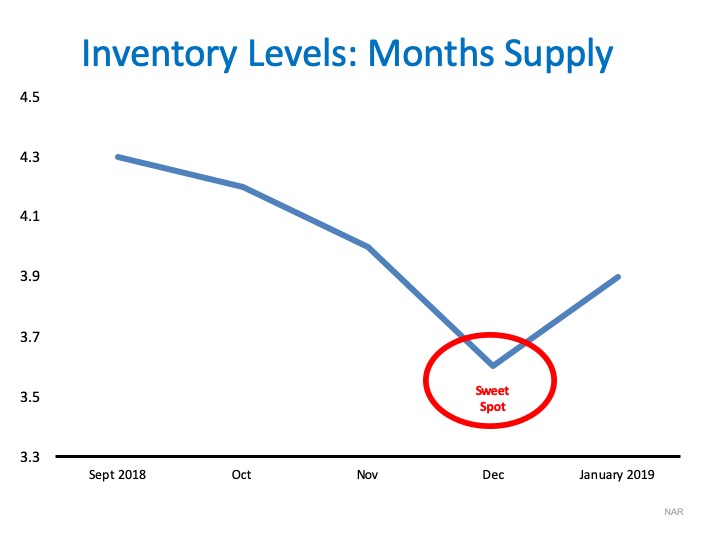
So, what’s the #1 reason to list your house in the winter? Less competition.

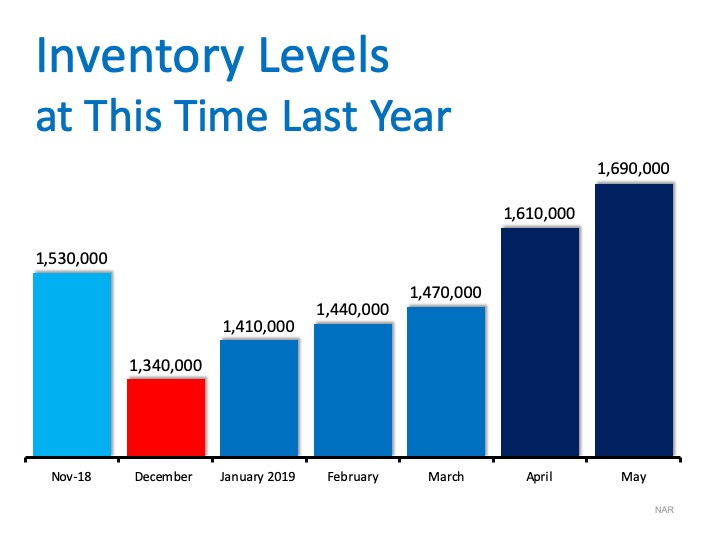
Housing supply traditionally shrinks at this time of year, so the choices buyers have will be limited. The chart below was created using the months supply of listings from the National Association of Realtors.The #1 Reason to List Your House in the Winter | MyKCMAs you can see, the ‘sweet spot’ to list your house for the most exposure naturally occurs in the late fall and winter months (November – January). 
Temperatures aren’t the only thing that heats up in the spring – so do listings!The #1 Reason to List Your House in the Winter | MyKCMIn 2018, listings increased from December to May. Don’t wait for these listings and the competition that comes with them to come to the market before you decide to list your house.

Added Bonus: Serious Buyers Are Out in the Winter

At this time of year, purchasers who are serious about buying a home will be in the marketplace. You and your family will not be bothered and inconvenienced by mere ‘lookers.’ The lookers are at the mall or online doing their holiday shopping.

 Bottom Line

If you’ve been debating whether or not to sell your house and are curious about market conditions in your area, let’s get together to determine the best time to list your house.

Tuesday, October 29, 2019

Buying a home can be SCARY…Until you know the FACTS [INFOGRAPHIC]

Buying a home can be SCARY…Until you know the FACTS [INFOGRAPHIC] | MyKCM

Some Highlights:

Many potential homebuyers believe they need a 20% down payment and a 780 FICO® score to qualify to buy a home. This stops many people from even trying to jump into homeownership! Here are some facts to help take the fear out of the process:
  • 71% of buyers who purchased homes have put down less than 20%.
  • 78.1% of loan applications were approved last month.
  • In September, the average credit score for approved loans was 737.

Monday, October 21, 2019

Homes Are Selling Quickly [INFOGRAPHIC]

Homes Are Selling Quickly [INFOGRAPHIC] | MyKCM

Some Highlights:

  • The National Association of REALTORS® surveyed their members for the release of their Confidence Index.
  • The REALTORS® Confidence Index is a key indicator of housing market strength based on a monthly survey sent to over 50,000 real estate practitioners. Practitioners are asked about their expectations for home sales, prices, and market conditions.
  • Homes across the country are selling quickly, in an average of just 31 days.
  • 49% of homes sold in less than a month.

Monday, October 14, 2019

What You Need to Know About the Mortgage Process [INFOGRAPHIC]

What You Need to Know About the Mortgage Process [INFOGRAPHIC] | MyKCM

Some Highlights:

  • Many buyers are purchasing homes with down payments as little as 3%.
  • You may already qualify for a loan, even if you don’t have perfect credit.
  • Your local professionals are here to help you determine how much you can afford, so take advantage of the opportunity to learn more.

Thursday, October 10, 2019

What FICO® Score Do You Need to Qualify for a Mortgage?

What FICO® Score Do You Need to Qualify for a Mortgage? | MyKCM
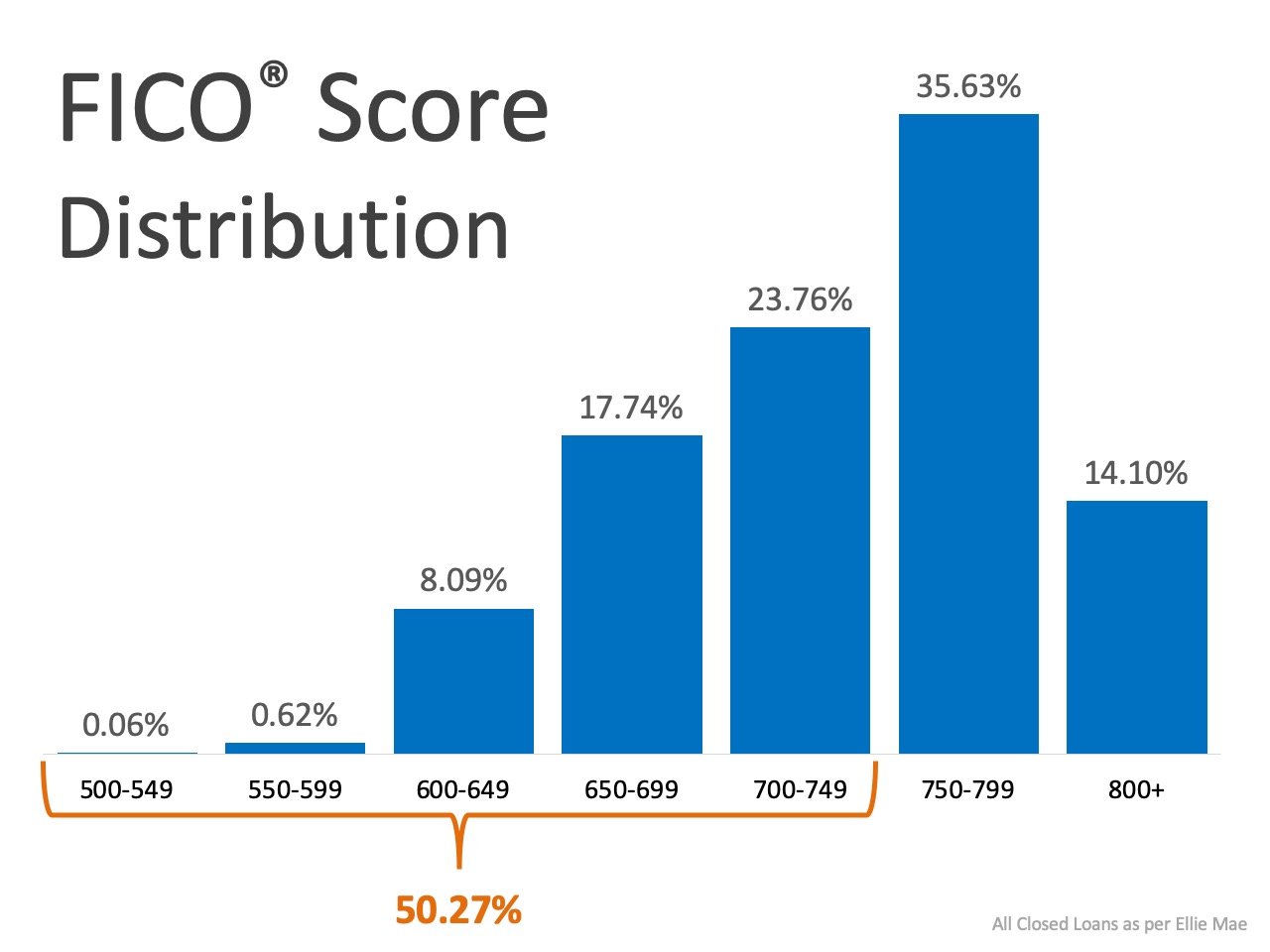
While a recent announcement from CNBC shares that the average national FICO® score has reached an all-time high of 706, the good news for potential buyers is that you don’t need a score that high to qualify for a mortgage. Let’s unpack the credit score myth so you can to become a homeowner sooner than you may think.
With today’s low interest rates, many believe now is a great time to buy – and rightfully so! Fannie Mae recently noted that 58% of Americans surveyed say it is a good time to buy. Similarly, the Q3 2019 HOME Survey by the National Association of Realtors said 63% of people believe now is a good time to buy a home. Unfortunately, fear and misinformation often hold qualified and motivated buyers back from taking the leap into homeownership.
According to the same CNBC article,
“For the first time, the average national credit score has reached 706, according to FICO®, the developer of one of the most commonly used scores by lenders.”
This is great news, as it means Americans are improving their credit scores and building toward a stronger financial future, especially after the market tumbled during the previous decade. With today’s strong economy and increasing wages, many Americans have had the opportunity to improve their credit over the past few years, driving this national average up.
Since Americans with stronger credit are now entering the housing market, we are seeing an increase in the FICO® Score Distribution of Closed Loans (see graph below):What FICO® Score Do You Need to Qualify for a Mortgage? | MyKCMBut hang on – don’t forget that this does not mean you need a FICO® score over 700 to qualify for a mortgage. Here’s what Experian, the global leader in consumer and business credit reporting, says:
FHA Loan: “FHA loans are ideal for those who have less-than-perfect credit and may not be able to qualify for a conventional mortgage loan. The size of your required down payment for an FHA loan depends on the state of your credit score: If your credit score is between 500 and 579, you must put 10% down. If your credit score is 580 or above, you can put as little as 3.5% down (but you can put down more if you want to).”
Conventional Loan: “It’s possible to get approved for a conforming conventional loan with a credit score as low as 620, although some lenders may look for a score of 660 or better.”
USDA Loan“While the USDA doesn’t have a set credit score requirementmost lendersoffering USDA-guaranteed mortgages require a score of at least 640.”
VA Loan: “As with income levels, lenders set their own minimum credit requirements for VA loan borrowers. Lenders are likely to check credit scores as part of their screening process, and most will set a minimum score, or cutoff, that loan applicants must exceed to be considered.”

Bottom Line

As you can see, plenty of loans are granted to buyers with a FICO® score that is lower than the national average. If you’d like to understand the next steps to take when determining your credit score, let’s get together so you can learn more.